Image showing B-cells and their surface receptors.
Biochemistry, Biology

Understanding B-Cells: Key to Humoral Immunity

B-cells are an integral part of the adaptive immune system. This article delves into B-cell structure, developmental pathways, the dynamic interaction between B-cells and T-cells, and antibody production as part of the immune response against pathogens. Immunity conferred by B-cells is called humoral immunity, since the B-cells originate and mature in the the bone marrow… Continue reading Understanding B-Cells: Key to Humoral Immunity

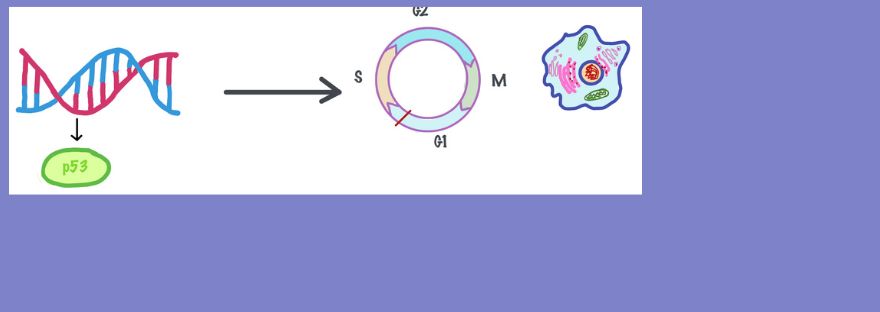
Featured image p53, control of the cell cycle and cancer
Biology

The role of p53 in cancer

The protein p53 is the product of the gene, TP53. Mutation in the TP53 gene has been associated with the pathology of several malignant cancers. TP53 is classified as a tumour-suppressor gene - it acts as a 'brake' during the cell cycle, and prevents cells from replicating too quickly. All human cells, apart from gametes… Continue reading The role of p53 in cancer

Biology

Tumour suppressor genes and cancer

Cell division by mitosis produces daughter genetic clones, using gatekeeper genes via that control the cell cycle via checkpoints. Mutations in DNA can disrupt these controls, resulting in uncontrolled cell growth, malignant tumours and cancer.Each cell in the body divides a finite number of times (Hayflick limit). During each cell cycle a complex series of events… Continue reading Tumour suppressor genes and cancer