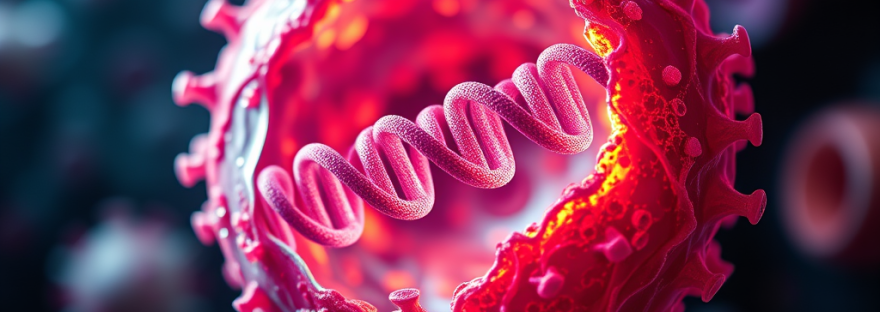
Transcribe: To copy something Transcription is a biological process by which information stored on a gene is copied to a short molecule called messenger RNA. A gene can be divided into two sections: - a Promoter region, which includes a sequence (TATA box), that can be recognised by the active site of the enzyme RNA… Continue reading Biology Biteables – Transcription
Author: Bristol Science Tutor
Tumour suppressor genes and cancer
Cell division by mitosis produces daughter genetic clones, using gatekeeper genes via that control the cell cycle via checkpoints. Mutations in DNA can disrupt these controls, resulting in uncontrolled cell growth, malignant tumours and cancer.Each cell in the body divides a finite number of times (Hayflick limit). During each cell cycle a complex series of events… Continue reading Tumour suppressor genes and cancer
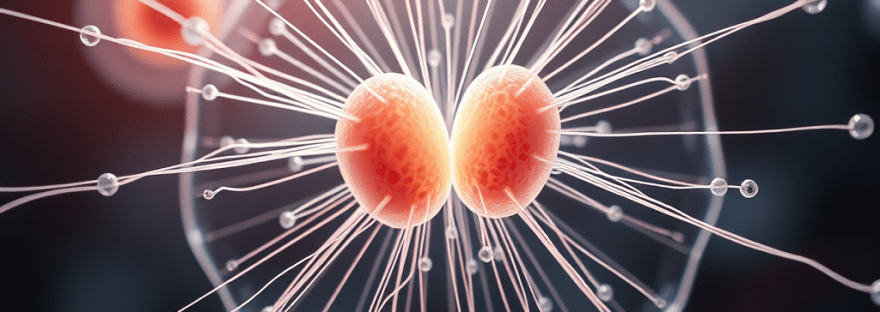
Why do cells need ATP? – role of ATP in cell division
During the life cycle of a cell, each cell divides to form two genetically identical cells. This process is called mitosis. Just before the cell enters mitosis, the DNA duplicates. During the process of mitosis each half of the DNA is pulled to towards the opposite poles of the cell. When the cell divides into… Continue reading Why do cells need ATP? – role of ATP in cell division
Sharpshooter fish
Archer fish have a unique method of hunting their prey - they shoot a powerful jet of water at prey perched on leaves or rocks close to the surface of the water. The prey becomes a quick lunch when in drops into the water. Recently scientists have been able to study this behaviour in more detail,… Continue reading Sharpshooter fish
van der What?
van der Waals - the unseen force that holds objects together. What is van der Waals? you make ask, and why the fuss? van der Waals is a type of intermolecular force - a force that exists between two neighbouring molecules. First postulated by the Dutch physicist Johannes Diederick van der Waals in 1873, van der… Continue reading van der What?
 bristolsciencetutor.com