Liver Featured Image for Post
Biochemistry, Biology

Biology Biteables – Liver Structure and Function

The liver is a complex organ that carries out many different functions in the body. The liver is divided into lobes, each lobe is divided in hexagonal lobules, with a rich blood supply. The basic structure of the liver is made up of a single type of cell, called hepatocytes. Figure 1: Schematic showing cross-section… Continue reading Biology Biteables – Liver Structure and Function

Featured image p53, control of the cell cycle and cancer
Biology

The role of p53 in cancer

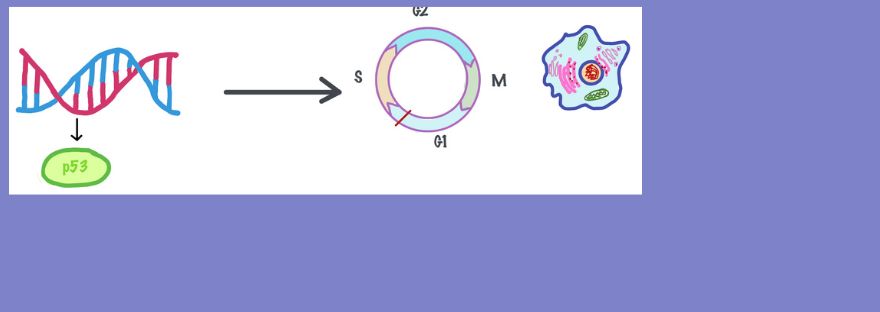
The protein p53 is the product of the gene, TP53. Mutation in the TP53 gene has been associated with the pathology of several malignant cancers. TP53 is classified as a tumour-suppressor gene - it acts as a 'brake' during the cell cycle, and prevents cells from replicating too quickly. All human cells, apart from gametes… Continue reading The role of p53 in cancer

Translation featured image post
Biology

Biology Biteables – Translation (Protein Synthesis)

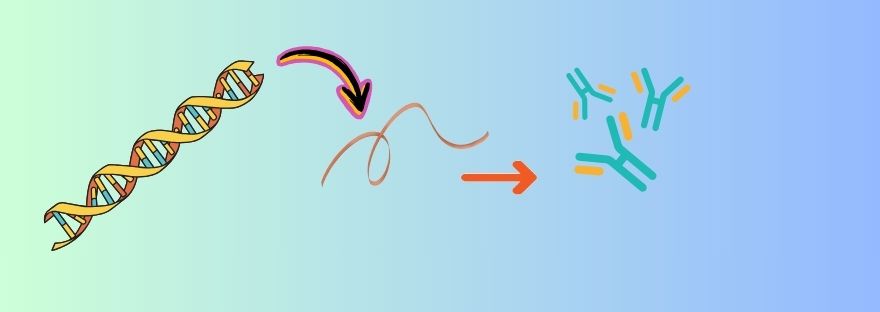
Translation is the process of converting the information on messenger RNA (mRNA) into a string of amino acids, called a polypeptide chain. The process of translation, the second stage of protein synthesis. Initiation At the start of Translation, the ribosome interacts with the start codon and attaches to the mRNA, along with an initiator tRNA.… Continue reading Biology Biteables – Translation (Protein Synthesis)

Biochemistry, Biology

Biology Biteables – Lac Operon

An Operon is a collection of genes, which perform a similar function. The Lac Operon controls the uptake and metabolism of Lactose. It is found in prokaryotes, such as E. coli. The Lac Operon consists of a Lac I gene (Repressor), a Promoter, an Operator, and three genes - Lac Z, Lac Y and Lac… Continue reading Biology Biteables – Lac Operon

Biology

Why do cells need ATP? – role of ATP in cell division

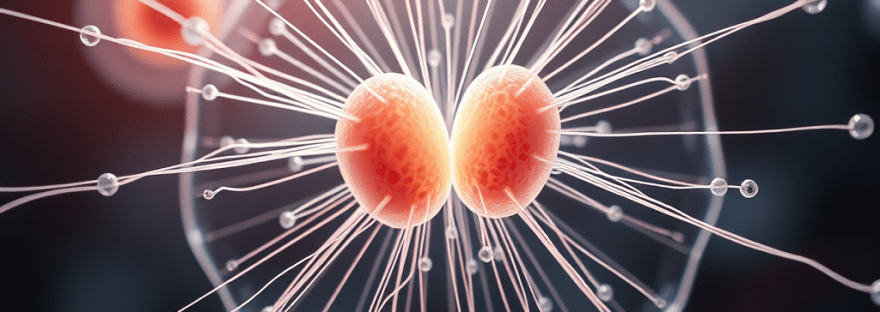
During the life cycle of a cell, each cell divides to form two genetically identical cells. This process is called mitosis. Just before the cell enters mitosis, the DNA duplicates. During the process of mitosis each half of the DNA is pulled to towards the opposite poles of the cell. When the cell divides into… Continue reading Why do cells need ATP? – role of ATP in cell division