
The liver is a complex organ that carries out many different functions in the body. The liver is divided into lobes, each lobe is divided in hexagonal lobules, with a rich blood supply. The basic structure of the liver is made up of a single type of cell, called hepatocytes.

The liver is responsible for many functions that help regulate levels of metabolites in the body. For example, the liver cells help to regulate blood glucose levels through glycogenesis (converting excess glucose to glycogen) and glycogenolysis (breaking down glycogen to glucose). This helps to maintain blood glucose levels in the body within the optimal range. When starving, the hepatocytes are also able to convert certain amino acids, glycerol, lactate and pyruvate into ‘new’ glucose – this process helps to make enough glucose to fuel the functioning of vital organs, like the brain and the kidneys.

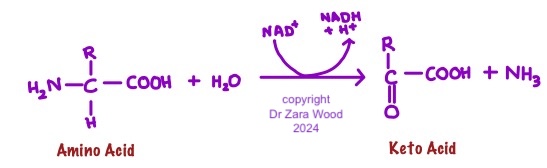
The liver is also responsible for modulating levels of amino acids in the body. Excess amino acids in the diet are converted to keto acid, which generates a molecule of ammonia. Ammonia is highly soluble in water, and can alter the pH of tissues, leading to tissue toxicity.
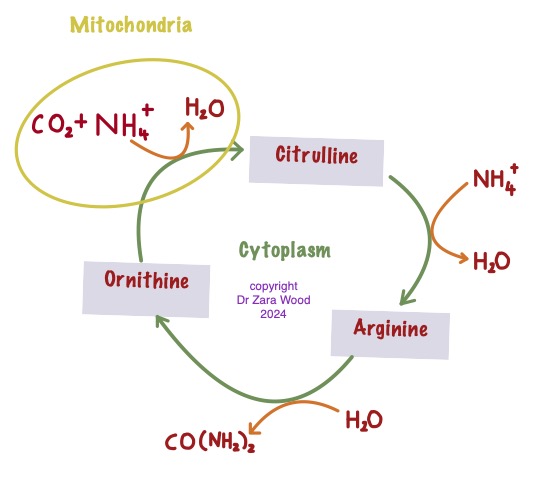
To minimise this toxicity, hepatocytes convert ammonia to a less soluble form, called Urea, in the Ornithine cycle, part of which takes place in the mitochondria, and part in the cytoplasm of the hepatocytes. The urea is excreted via the Kidneys, in urine.
The spaces in the liver, called Sinusoids, contain specialised cells called Kupffer cells, which help digest old RBCs.
Excess ethanol is also detoxified in the liver, using the enzymes ethanol dehydrogenase and ethanal dehydrogenase. Excess consumption of ethanol can deplete NAD levels in the body, leading to a condition called ‘alcohol-related fatty liver disease’ (ArLD). ArLD, if left unchecked, can lead to cirrhosis and liver-related death.

In addition, the liver is also the site of storage of fat-soluble vitamins like vitamin B12, and Vitamin D, and acts as the store for iron and trace amounts of copper needed for metabolic functions. Equally important is the role of the liver in lipogenesis and lipogenolysis – the liver is the site of HDL and LDL synthesis, both of which help to regulate cholesterol and fatty acid levels in the body.
REFERENCES
- Chiang (2014), Liver Physiology: Metabolism and Detoxification
- Almazroo (2016), Drug Metabolism in the Liver
- Hye-Sook (2016), Regulation of glucose metabolism from a liver-centric perspective
- Odriozola (2023), Fatty Liver Disease, Metabolism and Alcohol Interplay: A Comprehensive Review
- John Hopkins Medicine (no date), Liver: Anatomy and Functions
 bristolsciencetutor.com